
When you need to safeguard panels, inverters, etc., you have to choose the right solar plant fencing . If you install reliable fencing around your facility, you can prevent unauthorised entry and ensure convenient maintenance access. It can also be easier to withstand harsh weather and support safety compliance. Here are some tips to help you choose the right security fencing solution for solar power plants, substations and critical infrastructure.
You have to start by evaluating:
There can be risks of theft, trespassing, animal intrusion or vandalism for a remote solar facility. Stronger access control may be required for an urban substation due to nearby public activity.
For substations, you must create a clear physical boundary around electrical equipment with substation fencing. It can help you to prevent accidental contact with energised components.
In India, typically, outdoor substations and ground-mounted solar installations need to have protection of at least 1.8 metres. However, this is subject to applicable regulations and project specifications.
With a professional site survey, you can easily determine the ideal height, mesh size and post spacing. It can also shed light on the right foundation and gate arrangement.
Make sure that the material matches the security needs, climate and expected service life of the corresponding site. Galvanised steel chain-link fencing is widely used. This is because it offers:
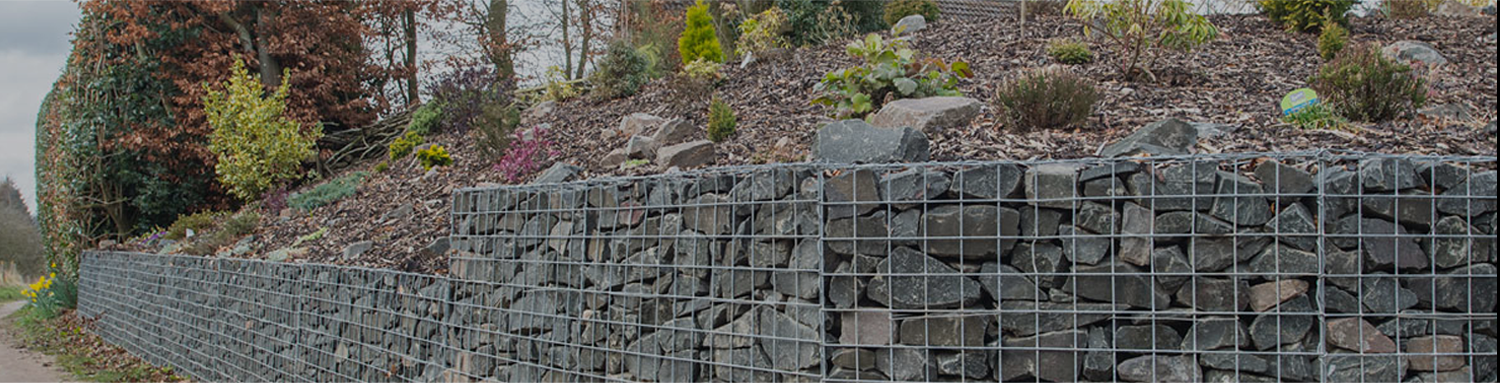
For high-risk substations or critical infrastructure, palisade fencing, anti-climb systems and welded mesh may be more suitable.
A well-designed perimeter security fencing system should not create hidden corners or weak sections that intruders can exploit. It can be tougher to climb and cut due to smaller mesh openings. There can be better stability in case of reinforced posts and tension wires. Solar Energy Corporation of India specifications have included galvanised chain-link mesh, hot-dip galvanised posts and defined mesh dimensions. For relevant project areas, the fence height should be at least 1.8 meters.
Keep in mind that outdoor infrastructure is constantly exposed. There is exposure to sunlight, rain, wind, dust, corrosion and temperature changes. In case of a power plant fencing project, you have to pick corrosion-resistant materials and protective coatings that match the local environment.
You can extend the lifespan of steel components with hot-dip galvanisation. However, periodic inspection is still necessary for the complete system. For maintenance, you should regularly check for:
With effective drainage and a stable concrete foundation, you can avoid erosion, settlement and premature structural failure.
Keep in mind that going for the cheapest fence is not always the most affordable option. If you choose undersized posts, weak gates and low-quality wire, you may need repeated repairs. There can be security incidents and operational delays.
Naturally, while comparing security fencing India suppliers, you should review material specifications. You must also compare galvanisation quality, installation experience, warranty coverage and after-sales service.
Do not overlook future expansion either. Leave enough space for additional panels, equipment yards, cable routes and access roads. When you have a scalable fencing layout, it can help you to reduce reconstruction costs when your facility expands.
Once you consider all these factors, it will be easier for you to choose the right fencing system for your site, solar plants, substations and other critical facilities. It can aid you in getting reliable long-term protection for your facility.
It is pleasure working with well informed team of S.K.Weldedmesh Pvt. Ltd.,their expertise has brought results to our projects. They understand the customer’s requirements and priorities. A quality product is always appreciated in our field of work.
For years now we have trusted SK Welded products for a range of construction projects I have worked on. A good Mesh Manufacturing company in West Bengal that doesn’t just talk about quality but actually delivers it. Plus, their pricing is equally appropriate, which makes working with them an obvious and preferred choice.


