Some materials stay simple for good reason. Others evolve when projects demand more from them. Fencing has sat on the edge of both. For decades, it’s done its job quietly. But now, that quiet role is starting to shift.
Contractors, planners, and security leads no longer treat fence as static boundaries. Instead, they’re asking a different question: can a fence adapt, respond, or even support decision-making on site?
The answer may already be unfolding.
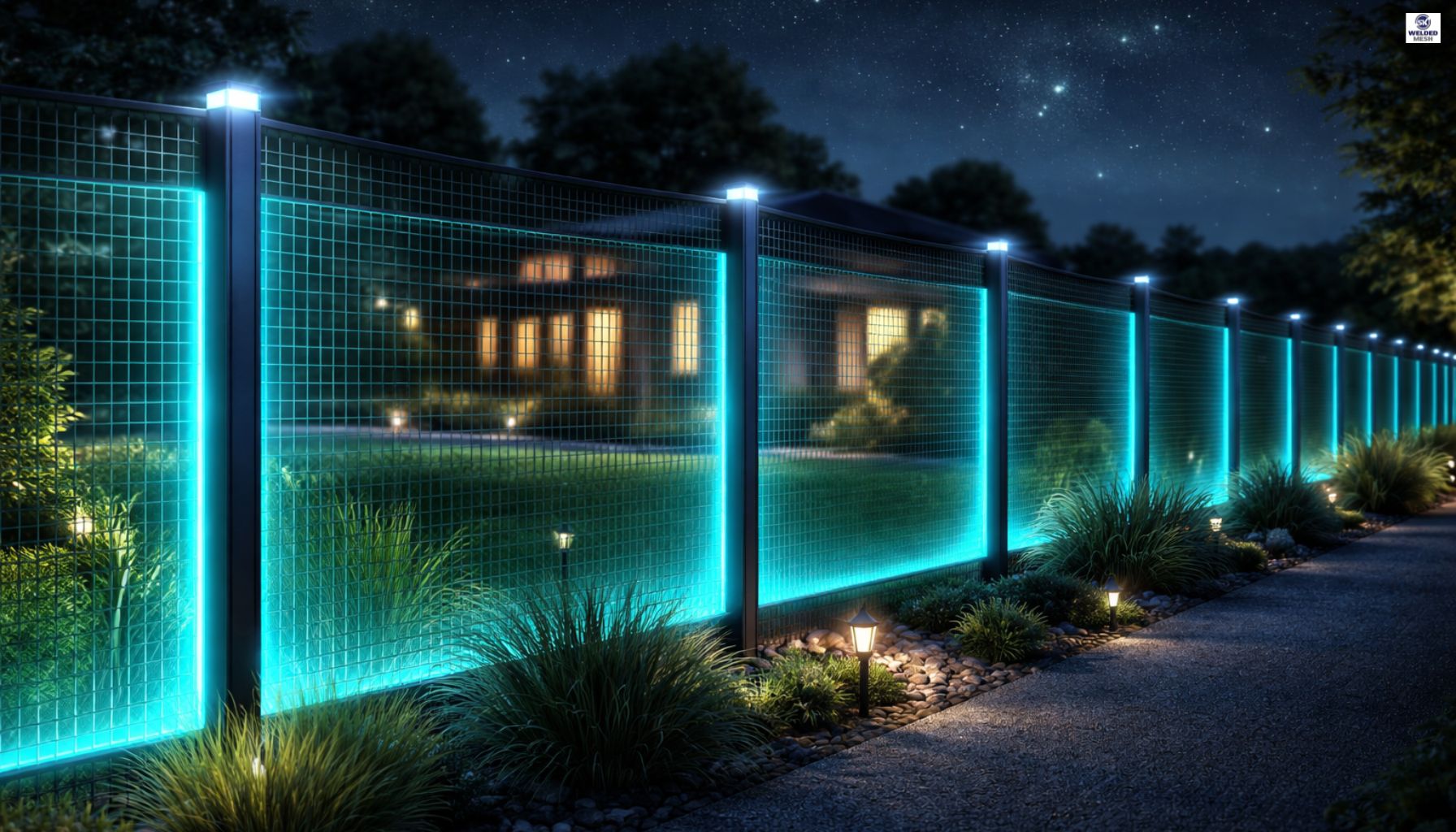
Fences won’t turn into robots. But they can respond in smarter ways. That shift is already visible in mesh panels that react to light, flag movement, or support surveillance systems.
These upgrades reduce friction. A fence doesn’t just mark a limit; it helps watch it. Reflective coatings trigger better visibility under low light. Sensor-integrated frames notify guards before a breach happens. Teams working in rail, power, or civic zones have started to lean on fencing for more than just boundary control.
Smart fences work not because they add complexity, but because they remove guesswork.
Contractors value reliability. Especially in infrastructure builds, each extra layer of tech adds another point of failure. That’s why the smartest upgrades often stay low-tech.
Pre-treated coatings that improve contrast at night. Factory-aligned panels that install without manual tweaks. Mesh that resists tampering without needing guards to babysit every zone. These upgrades help teams move faster without redoing the basics.
Even maintenance becomes lighter. Panels either hold up or signal fatigue. There’s no grey zone to monitor or log.
Smart fencing does not need to replace mesh. In fact, mesh is proving to be a strong foundation for upgrades.
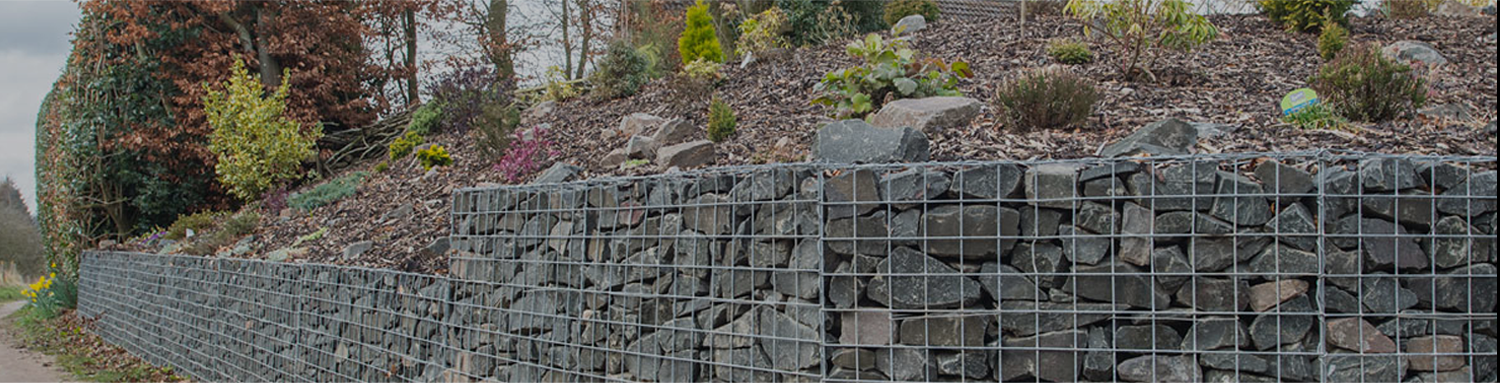
Welded panels offer clarity, consistency, and easy integration. Whether you’re applying night-visible paint or installing motion sensors, mesh allows better spacing, better grip, and lower flex. That makes it an ideal base for builds where safety and control go hand in hand.
Clients working across civic infrastructure and transport hubs increasingly ask us for mesh that’s ready to plug into broader security plans. Not because they want more complexity, but because they want fewer unknowns.
You’ll see early signs of smart fencing in projects where control and visibility matter most. Think of these:
1. Temporary barricades that glow under patrol lights
2. Perimeter panels that align with camera fields of view
3. Mesh frames designed to house access scanners or QR checkpoints
4. Panels printed with zone IDs to reduce layout errors during install
These aren’t distant concepts. They’re already being tested, ordered, and used. Quietly improving how teams track, respond, and deliver.
Fencing may never speak, but it can still support smart decisions. The shift toward smarter materials is less about adding features and more about reducing delays, blind spots, and confusion.
We’ve helped teams integrate fencing that pairs with patrol routines, security audits, and modular builds. Mesh panels that support clarity without changing core workflows. For builds that depend on pace and predictability, these are the kinds of upgrades that make themselves invisible—until something goes wrong.
If your next project requires boundaries that stay visible, accountable, and low-maintenance, it may be time to rethink what you expect from a fence. Get in touch with us and let’s talk.
It is pleasure working with well informed team of S.K.Weldedmesh Pvt. Ltd.,their expertise has brought results to our projects. They understand the customer’s requirements and priorities. A quality product is always appreciated in our field of work.
For years now we have trusted SK Welded products for a range of construction projects I have worked on. A good Mesh Manufacturing company in West Bengal that doesn’t just talk about quality but actually delivers it. Plus, their pricing is equally appropriate, which makes working with them an obvious and preferred choice.