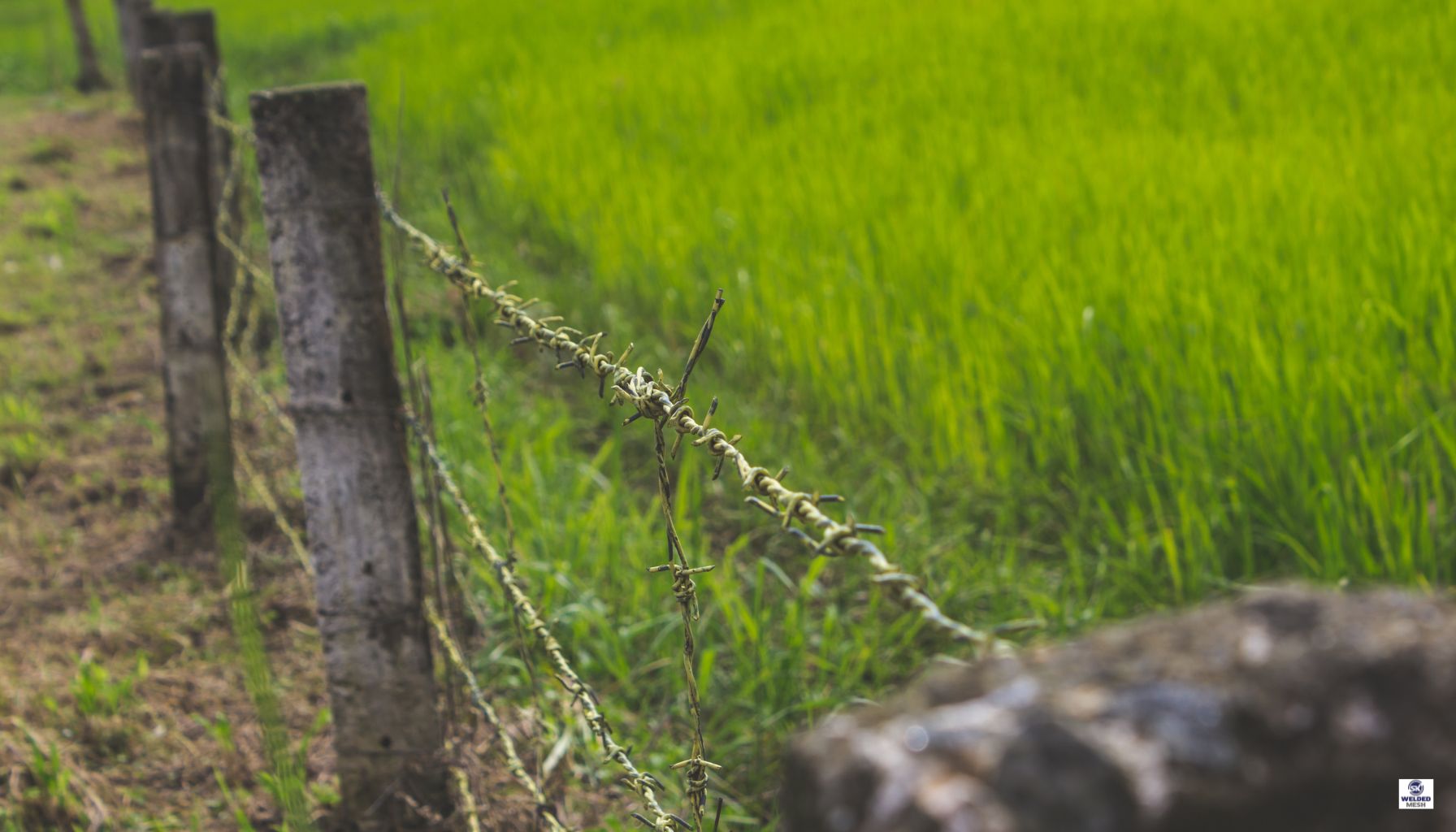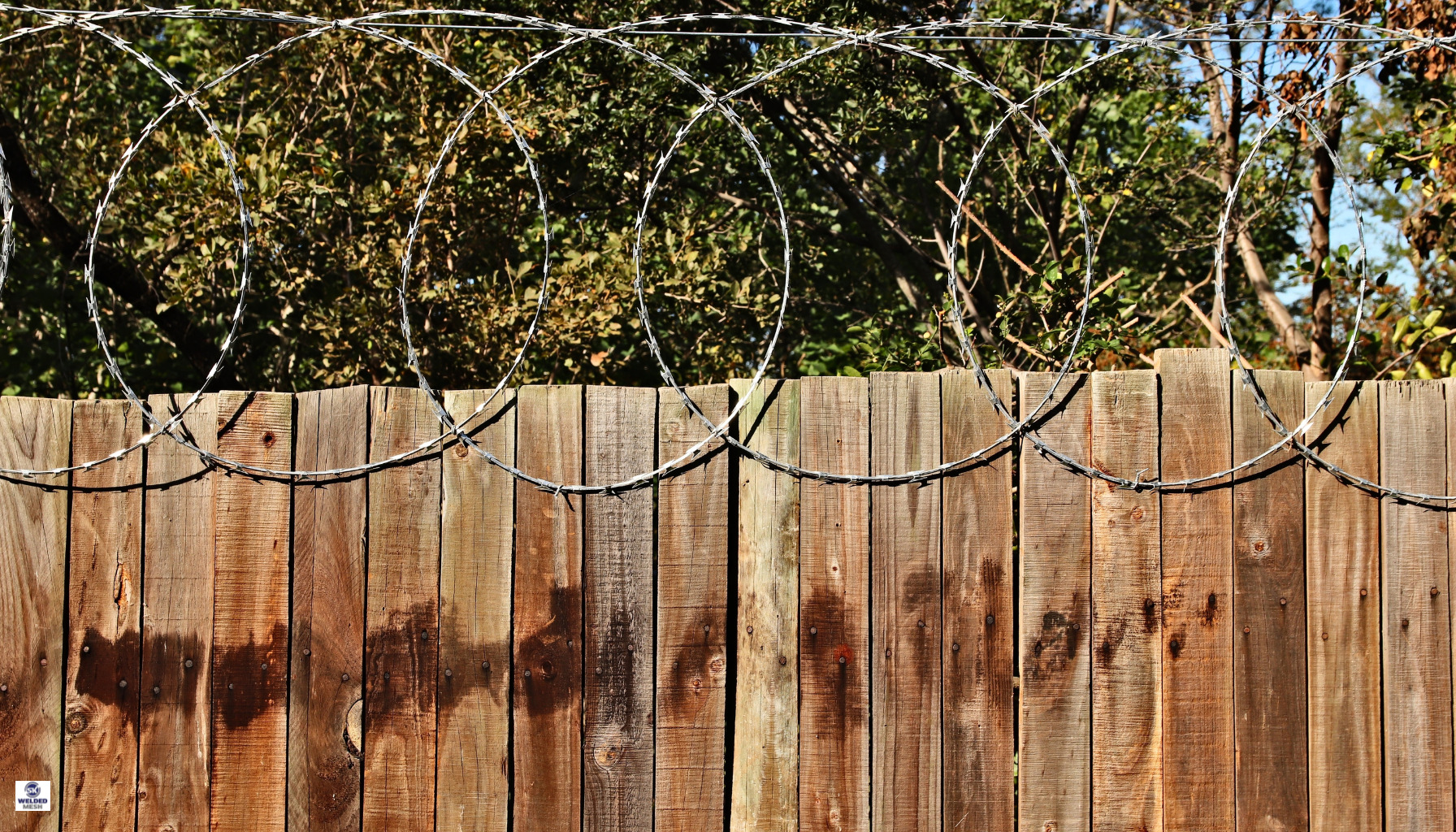
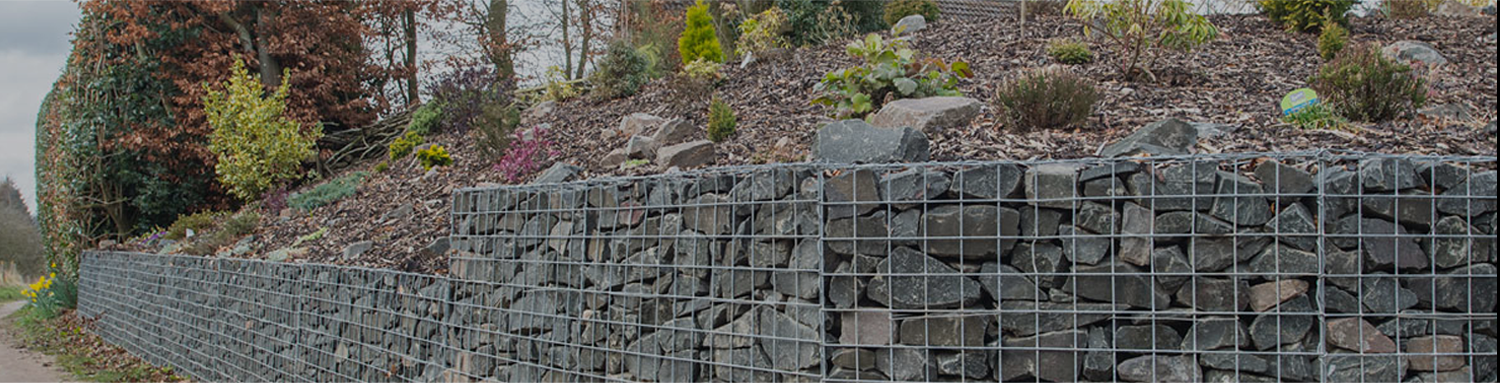
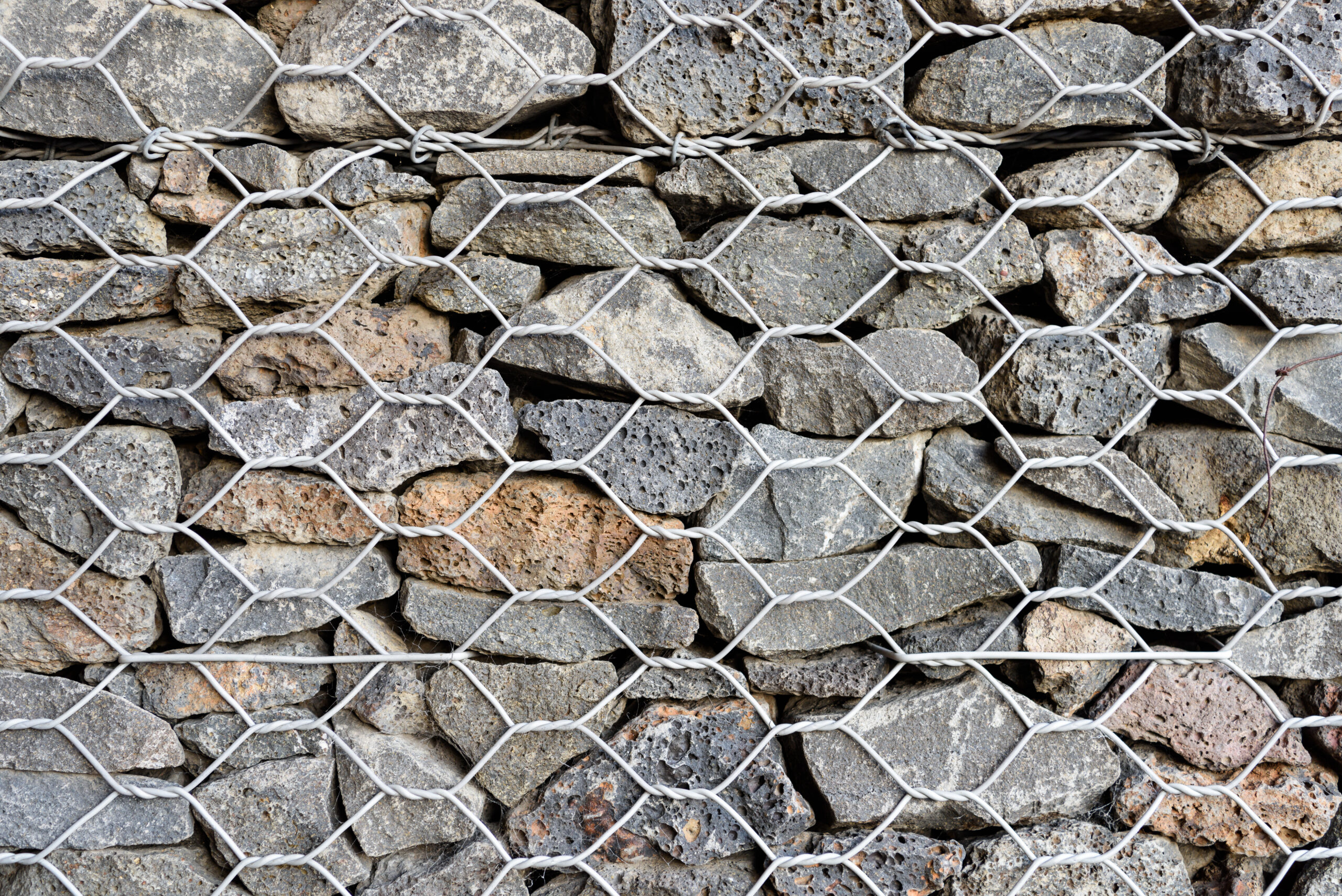
Forest boundaries look simple on a map. On the ground, they rarely behave that way. The line runs across slopes, seasonal streams, loose soil, and dense growth. Patrol frequency varies, visibility changes by hour, and the perimeter still has to hold its shape through weather and contact.
That reality changes what “good fencing” means. You need something that stays readable, stays upright, and stays maintainable when access stays limited.
That’s where 3D weldedmesh fencing tends to fit the job.
3D weldedmesh fencing creates a clear perimeter without the bulk of walls or heavy barriers. The panel format gives you a defined boundary that reads as permanent, even from a distance. That’s important in forest perimeters where drift starts with small crossings and slowly turns into routine movement.
The mesh also supports visibility. Patrol teams can see through it. Cameras keep clean sightlines. Wildlife movement near the boundary stays observable, which helps avoid surprises at gates and pinch points. Many planning teams treat this as a practical advantage, because it supports monitoring without adding new infrastructure.
This is also where a welded mesh manufacturer becomes part of the planning process. Panel size, aperture, coating, and post spacing shape both deterrence and upkeep.
Forest fencing rarely gets a flat, graded corridor. 3D weldedmesh panels handle this through stepped installation and tighter layout planning, rather than forcing land changes. Posts get set to follow the ground. Panels stay aligned in segments. That keeps disturbance lower and avoids unnecessary excavation just to make a fence look straight.
Install crews also benefit from predictable parts. Panels arrive as finished units. They mount with standard clamps and brackets. When the site layout is planned well, staging becomes simpler because panel bays match zone plans instead of requiring field cutting.
For projects that involve mixed access levels, some teams place higher-security panels near entry roads and lighter panel runs along long stretches. A weldedmesh manufacturer in India that supports varied panel specs helps keep those transitions clean.
Damage in forest zones tends to cluster. A fallen branch hits two bays. Soil movement loosens one post. An animal leans into a weak corner near a track. Repairs work best when they stay local, fast, and repeatable.
3D weldedmesh supports that approach. A single bay can be re-tensioned. One panel can be swapped. A post can be reset without dismantling long runs. That matters when crews arrive with limited tools and limited time on site.
This is also where documentation helps. When panel types are standardized and tagged by zone, the maintenance team knows what to replace before they reach the site. That planning often comes together faster when sourcing is consistent through a weldedmesh supplier in India that can supply repeat runs without format drift.
Forest and wildlife perimeters reward steady performance, not one-time installation speed. 3D weldedmesh fencing tends to earn trust because it stays predictable under tough conditions and stays manageable when access is limited.
• The panel format keeps alignment stable across long runs
• Open visibility supports patrol checks and camera coverage
• Rigid construction reduces sag and progressive loosening
• Section repairs stay contained to a bay instead of a full stretch
• Coated finishes handle rain cycles and long exposure better
Many teams also like the planning clarity. A perimeter can be divided into zones with panel specs, gate specs, and maintenance notes tied to each segment. That prevents last-minute substitutions that create weak spots later.
A forest perimeter changes over time even when the fence stays in place. Vegetation grows into lines. Soil settles. Access paths shift with use. Fencing that holds its form and stays easy to inspect helps teams manage that change instead of reacting to it.
3D weldedmesh fits this long-term view. It stays visible, it stays structured, and it supports repairs without turning into a multi-week procurement loop. That makes it a steady choice for agencies and contractors who want fewer surprises after handover.
It also supports routine checks that teams already do, like walking a boundary after heavy rain or reviewing known pressure points near tracks and gates.
When panels remain aligned, small issues show up early and stay cheaper to fix. Many project owners prefer this approach because it keeps the perimeter readable for years. When the boundary stays clear, the site becomes easier to govern.
Forest and wildlife fencing works best when it stays boring in the field. No sagging runs. No shifting corners. No constant patching. 3D weldedmesh fencing supports that outcome through stable panels, clear visibility, and practical repair options.
Our team supplies 3D weldedmesh systems built for long perimeters, phased installs, and maintenance realities. If you’re planning a forest or wildlife boundary and want a perimeter that stays consistent across seasons, contact us and we’ll help you map the right mesh format for the site.
It is pleasure working with well informed team of S.K.Weldedmesh Pvt. Ltd.,their expertise has brought results to our projects. They understand the customer’s requirements and priorities. A quality product is always appreciated in our field of work.
For years now we have trusted SK Welded products for a range of construction projects I have worked on. A good Mesh Manufacturing company in West Bengal that doesn’t just talk about quality but actually delivers it. Plus, their pricing is equally appropriate, which makes working with them an obvious and preferred choice.