
Most people see fencing as static. Once installed, it stays. Once chosen, it blends into the background. But for those of us working in high-risk or high-movement zones, fencing acts more like infrastructure than an accessory. It protects pace, precision, and safety. That’s why contractors and planners are watching fencing tech evolve and reshaping their expectations along with it.
Here’s what that shift looks like on real project sites.
Contractors now ask smarter questions during early specs. Not just about height or material, but whether a fence supports surveillance, adapts to uneven layouts, or holds up under changing weather. Smart mesh helps answer all three.
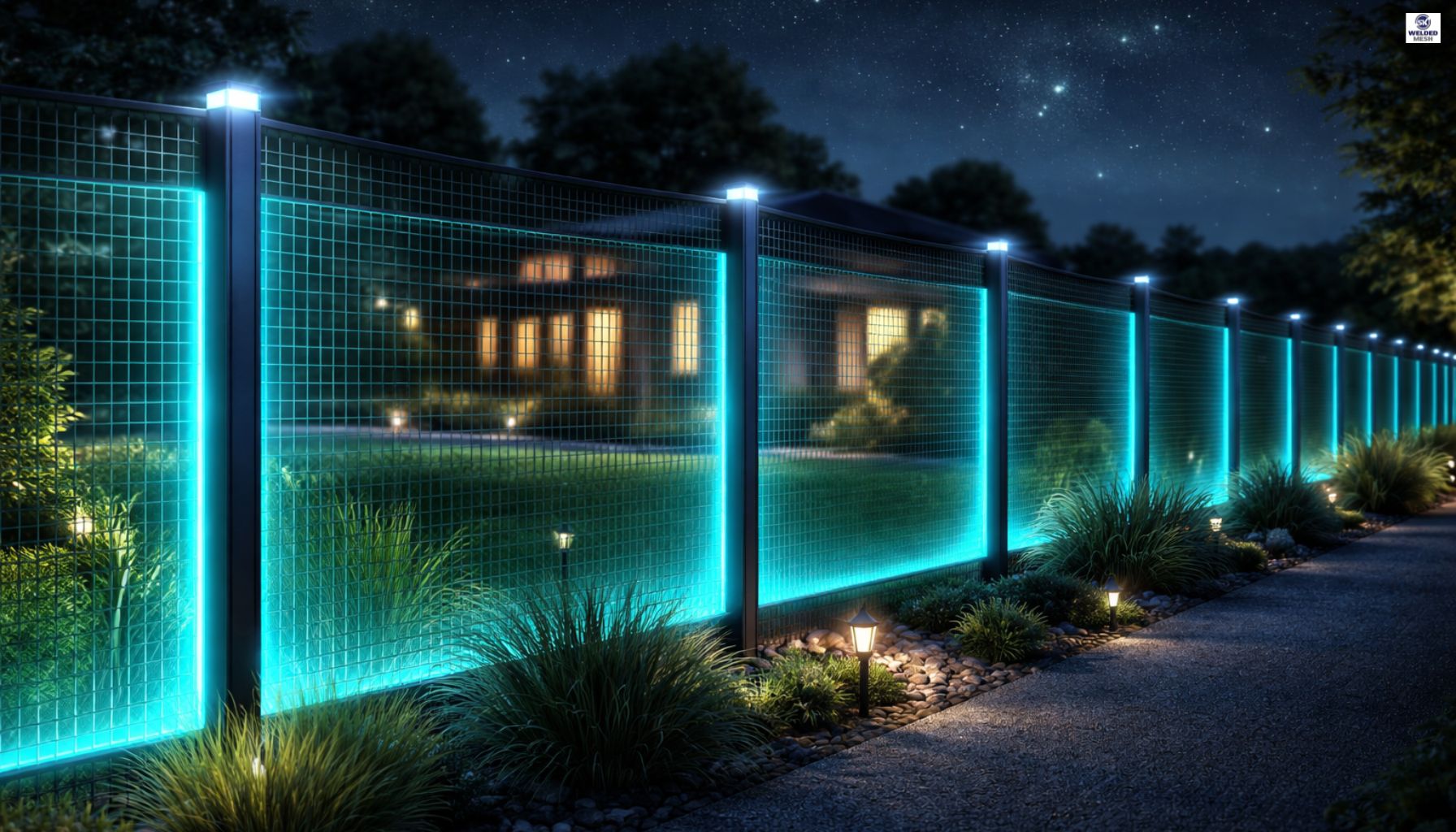
These formats track entry, detect tampering, and maintain line-of-sight across high-traffic zones. Some even pair with surveillance systems, alarm triggers, and access logs, which creates a live feedback loop for security and site coordination.
In transit hubs, restricted corridors, and data compounds, fencing now gets factored in as a performance element, not just a perimeter line.
Finish types now influence performance. Some coatings reduce surface heat load. Others improve visibility at night. We’ve supported builds in desert-prone zones where dual-layer coatings resisted early corrosion and extended inspection intervals.
In other cases, powder-coated mesh in brand-aligned colours reinforced zone identity and fulfilled signage standards through visual coding alone.
Matte finishes have also gained traction among security teams, as they reduce glare and improve clarity for both human patrols and drone surveillance.
Fencing needs to respond when layouts shift during execution. This often happens in public projects or shared contractor zones where access points and staging evolve on the fly. Pre-engineered mesh panels (sized for specific zones and labelled before dispatch) help teams adapt faster.
Installation teams work with fewer delays because the materials arrive sorted, stack cleanly, and align without cutting or reshaping.
These mesh formats maintain rigidity under stress while allowing staged delivery based on work phases. That makes them easier to lift, place, and secure in less-than-ideal site conditions, especially during restricted shift windows.
Some of the most forward-thinking fencing trends we’ve seen or worked on include:
1. Solar-charged perimeter lights built into fence lines
2. Mesh that integrates with thermal or motion sensors
3. Finishes that react under UV to signal damage or tampering
4. Modular kits that allow tool-free replacement of broken panels
5. Access-control fencing that syncs with employee badges or QR checkpoints
These upgrades help contractors think beyond the line on a drawing. They open up planning options that reduce friction at execution.
Tech-forward fencing isn’t just for install day; it helps long after. Smart mesh allows for condition tracking over time. Some can report joint fatigue or coating loss. Others sync with BIM tools to log upkeep or flag repairs. For maintenance teams, this reduces guesswork.
For EPC firms managing multi-phase jobs, it keeps record-keeping tight. One client we worked with tied fence status to inspection sheets, so zone clearances were faster and safer.
Fencing no longer stays silent in smart projects. It supports workflows, simplifies monitoring, and adds confidence to day-to-day movement. We’ve partnered with firms that treated fencing as early infrastructure, not last-stage cover. The payoff for them were fewer redesigns, tighter compliance, and faster handovers.
If your next build needs fencing that can flex, inform, and adapt without delay, our mesh formats are already being tested in the field for just that. Get in touch with us to learn more.
It is pleasure working with well informed team of S.K.Weldedmesh Pvt. Ltd.,their expertise has brought results to our projects. They understand the customer’s requirements and priorities. A quality product is always appreciated in our field of work.
For years now we have trusted SK Welded products for a range of construction projects I have worked on. A good Mesh Manufacturing company in West Bengal that doesn’t just talk about quality but actually delivers it. Plus, their pricing is equally appropriate, which makes working with them an obvious and preferred choice.