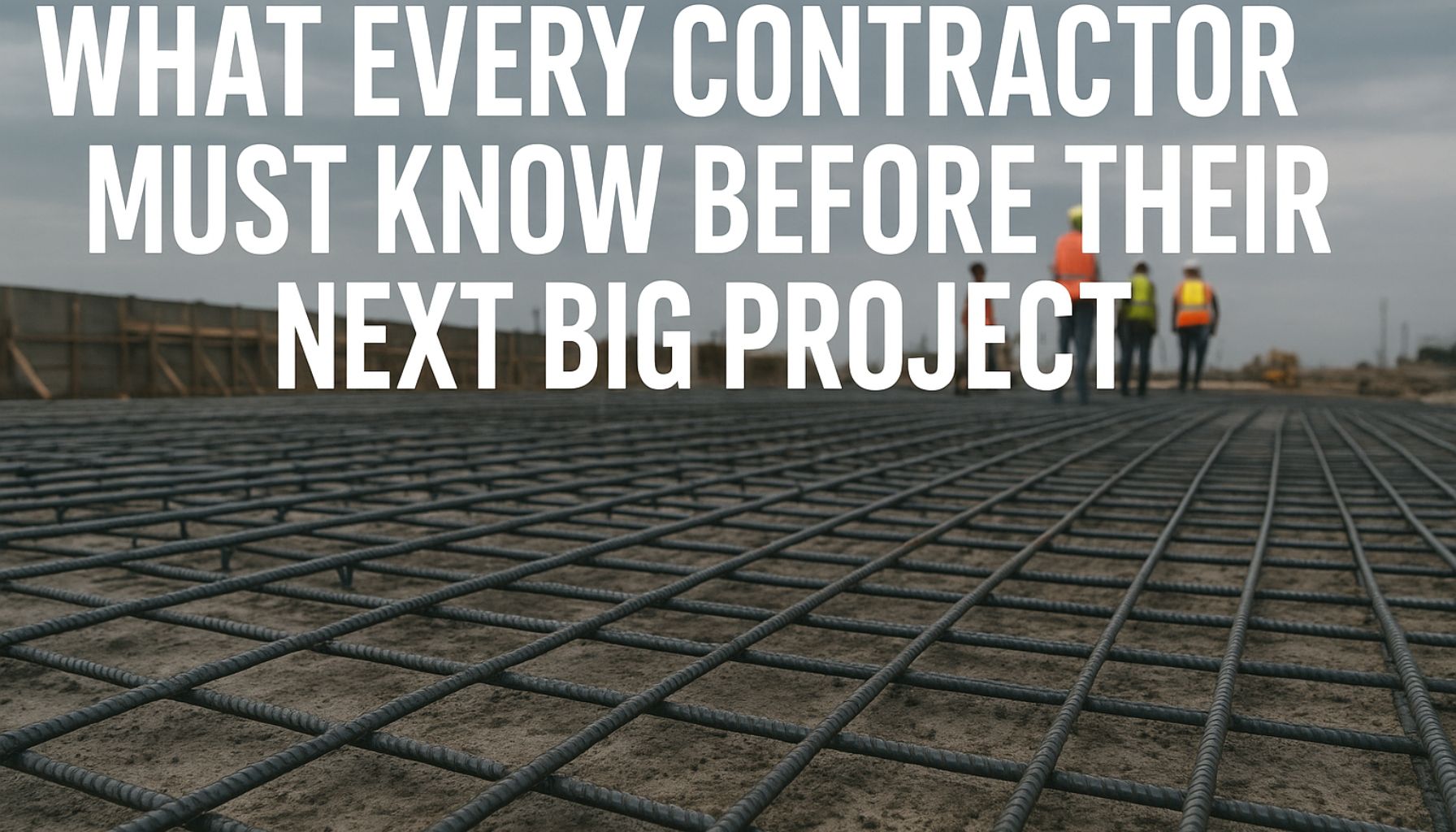
A half-finished slab. A missed pour window. A crew that stood idle waiting on material. If you’ve led even one big build, you’ve likely dealt with at least...
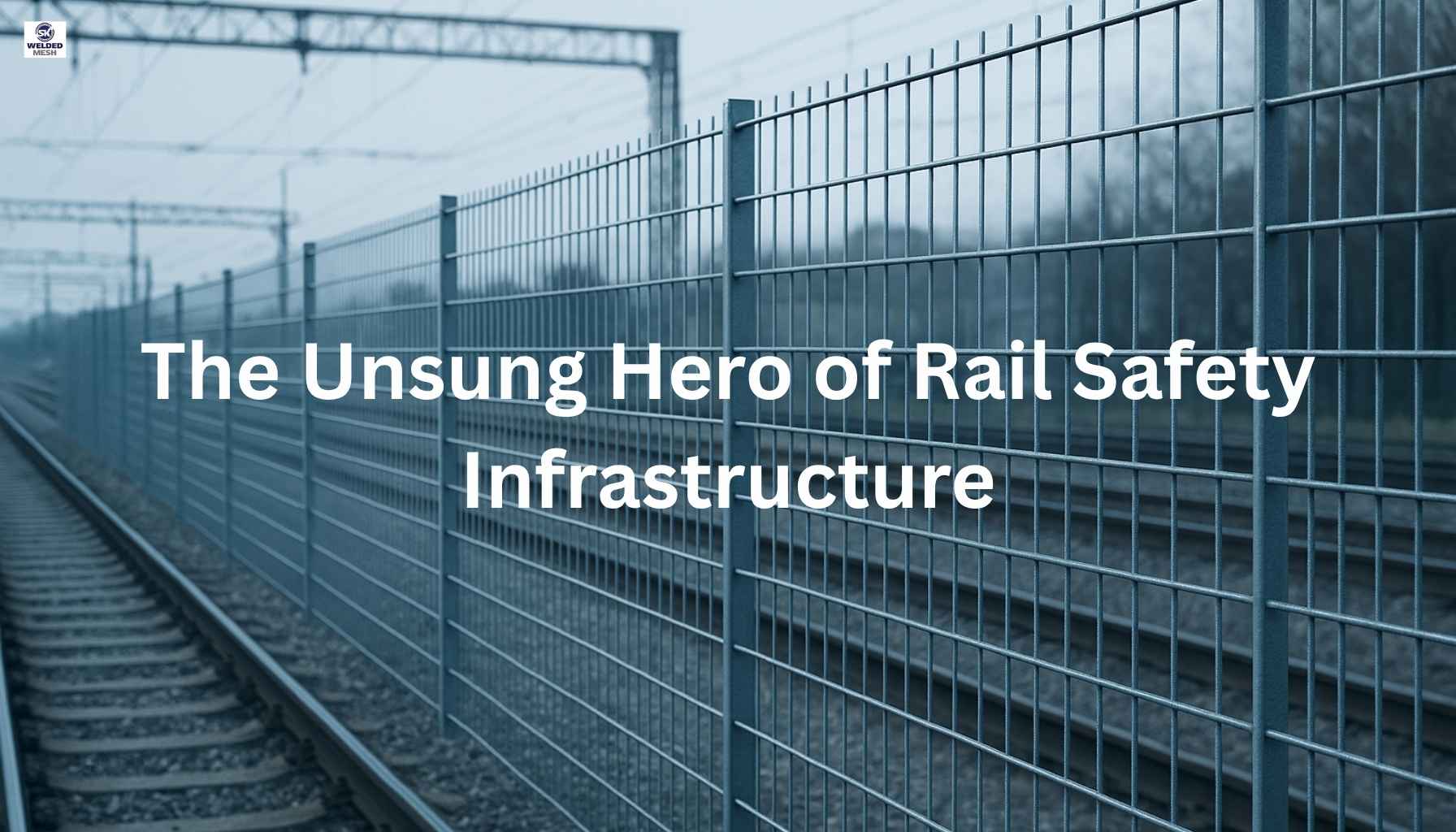
From urban corridors to rural crossings, every rail project carries hidden risks—trespassing, debris, sudden access. Most passengers never think about what keeps them safe on the other side...
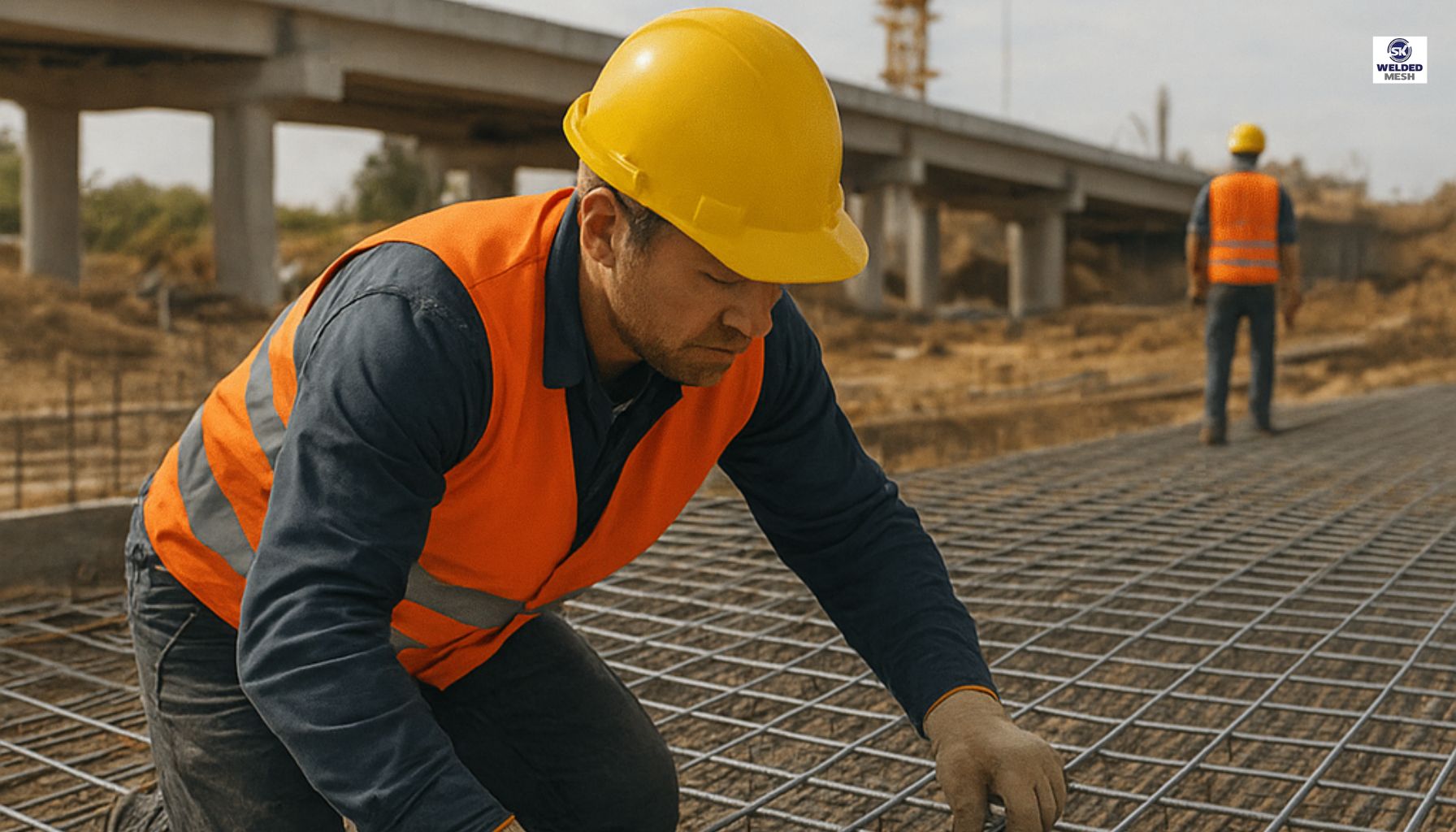
You wouldn’t pour concrete into a cracked mold. So why build infrastructure on materials that can’t keep up? Civil projects operate under pressure, like weight shifts, vibration, harsh...
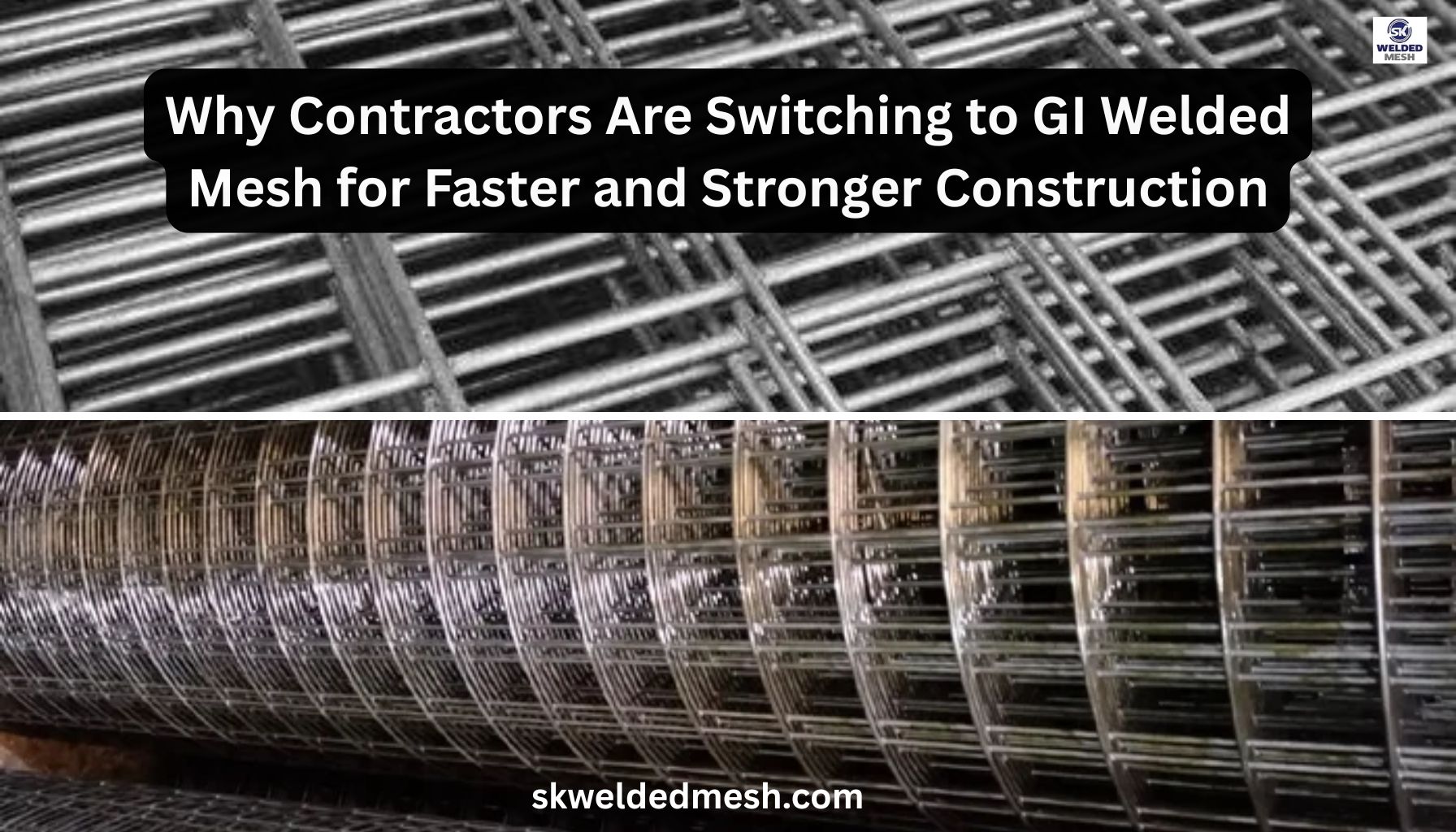
You can’t pour fast if the foundation keeps slowing you down. That’s the trade-off more contractors are questioning. When timelines tighten and pressure builds across zones, you need...
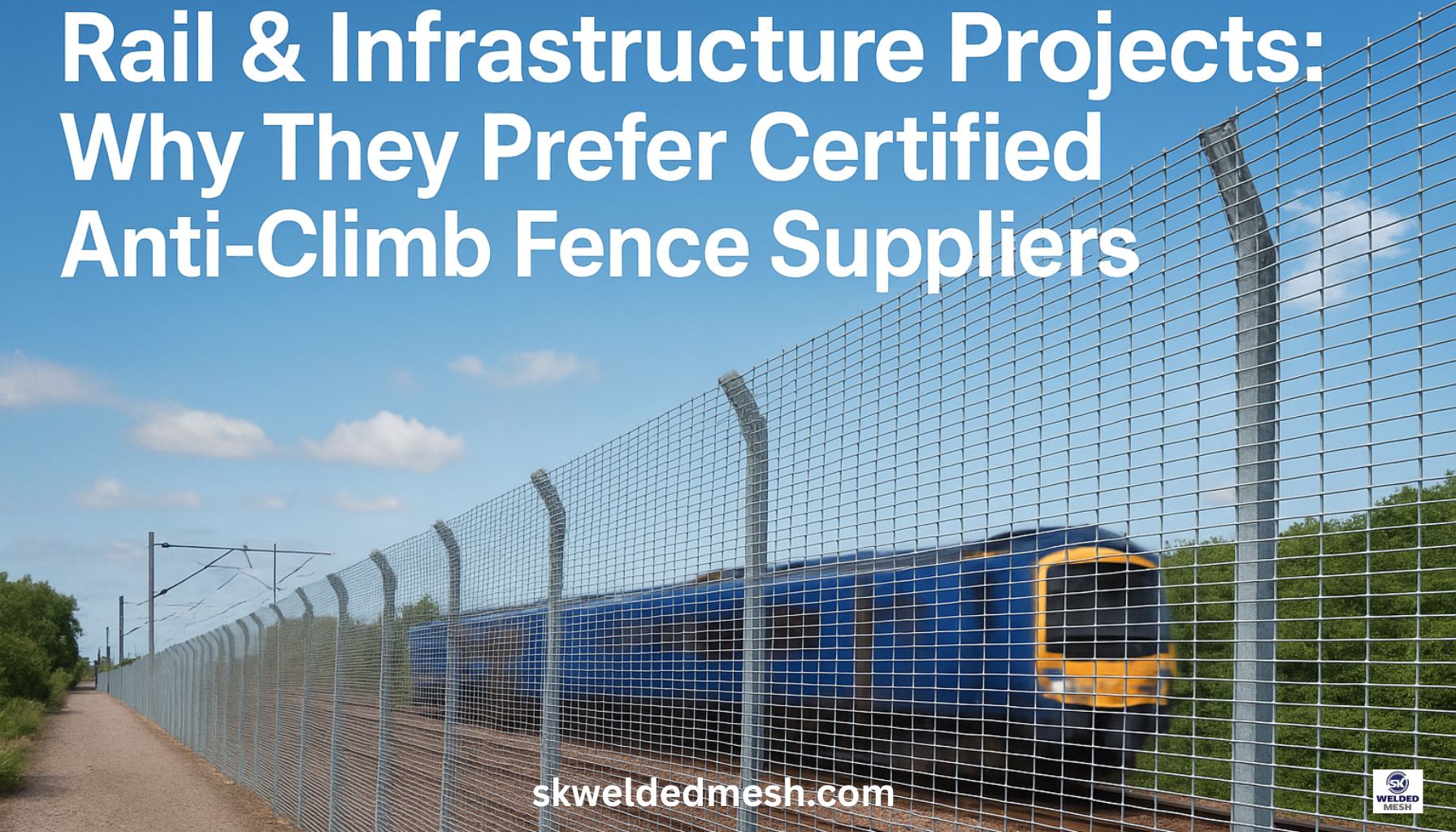
Train movement depends on more than tracks and signals. Every corridor, yard, and passenger zone runs parallel to one unseen layer of protection—fencing. As infrastructure grows faster, taller,...
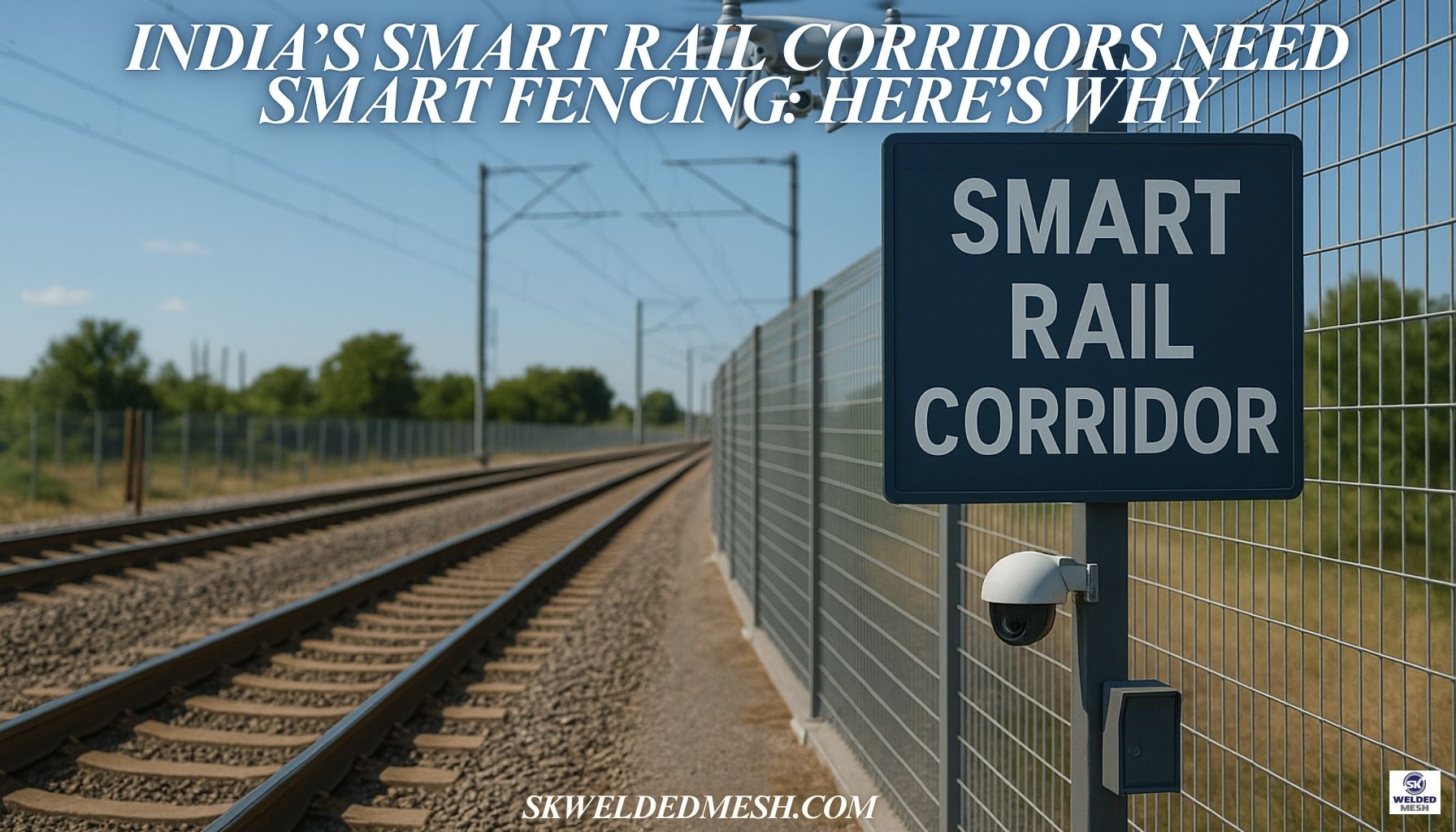
New railway zones across India are moving fast. High-speed trains, automated switches, digital signaling, they’re all coming together to create a connected rail ecosystem. But with so much...
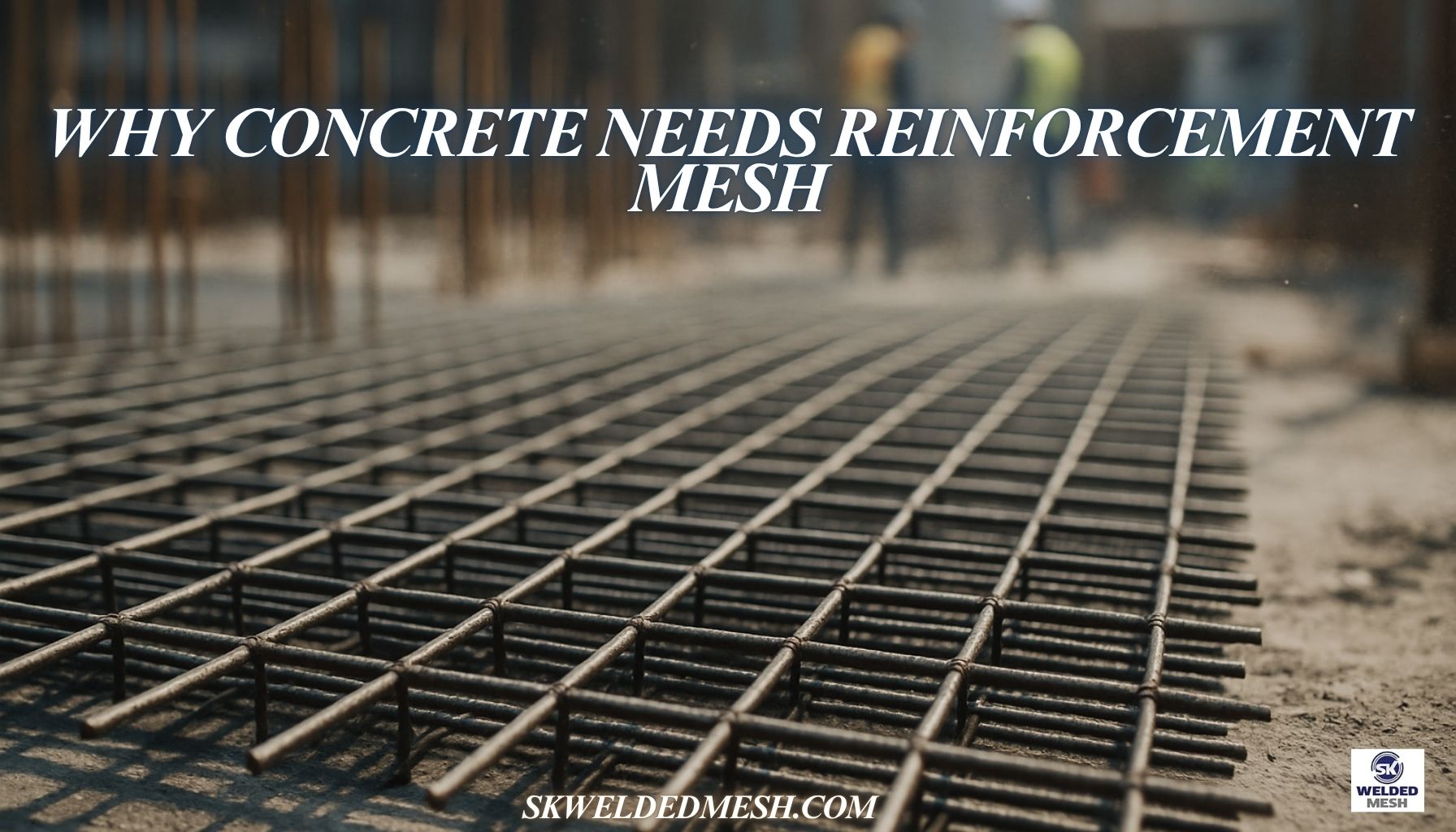
Concrete looks solid. You pour it, let it set, and it seems ready for anything. But over time, the surface tells a different story—hairline cracks, chipped edges, uneven...
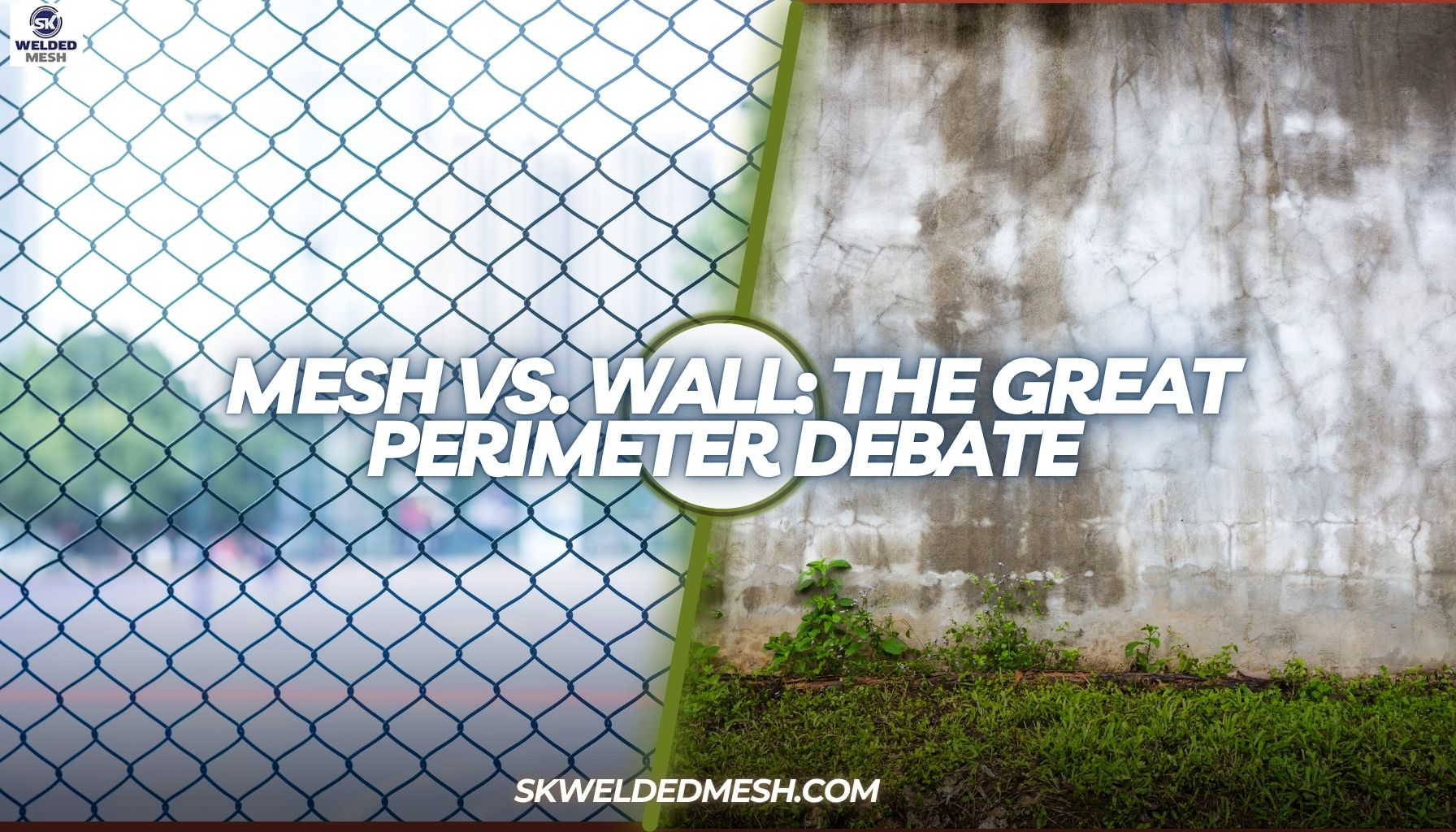
Every site needs a boundary. But what that boundary looks like varies wildly between projects, locations, and even opinions on the team. For some, a concrete wall feels...
It always looks fine in the beginning. The panels go up. The fence holds. The slab sets. But months later, rust creeps in, wires loosen, or panels bend...
It is pleasure working with well informed team of S.K.Weldedmesh Pvt. Ltd.,their expertise has brought results to our projects. They understand the customer’s requirements and priorities. A quality product is always appreciated in our field of work.
For years now we have trusted SK Welded products for a range of construction projects I have worked on. A good Mesh Manufacturing company in West Bengal that doesn’t just talk about quality but actually delivers it. Plus, their pricing is equally appropriate, which makes working with them an obvious and preferred choice.