
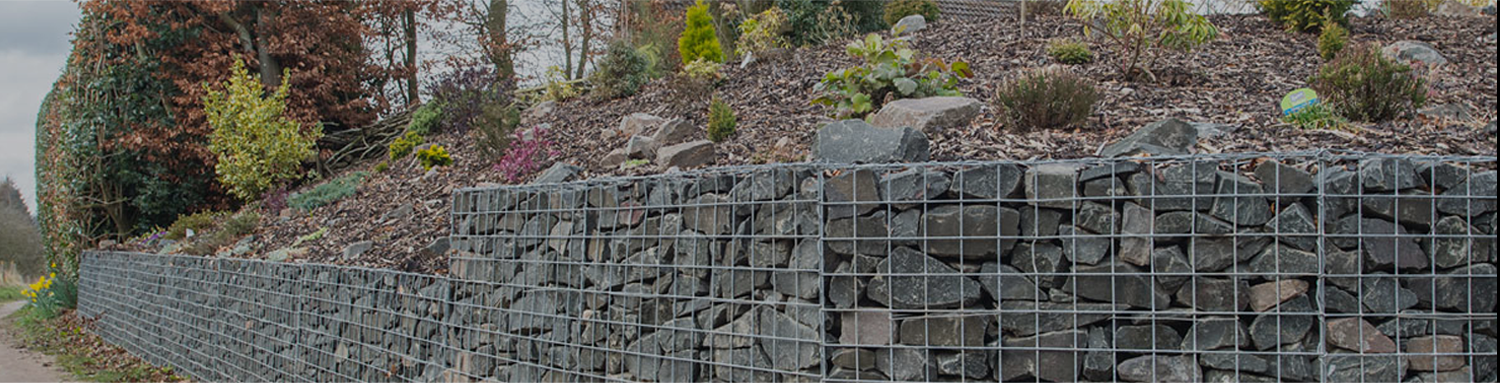

In India, human–animal conflict has become a major concern – social as well as environmental. With forested areas shrinking and human settlements expanding closer to wildlife habitats, it is unsurprising that wild animals are crossing over into human territory and vice versa. Wildlife fencing is an effective, practical solution that helps to minimize such incidents. Well-designed fences can reduce unwanted interactions, ensuring safer boundaries. Take a look at how wildlife fencing can reduce human-animal conflict in India.
Wildlife fencing can serve as a clear barrier between forests and human-inhabited areas. In search of food, animals like wild boars, deer and elephants enter villages and farms in many rural regions of India. This results in destruction of crops, causing financial losses for farmers.
When durable wildlife fences are installed, these entry points can be controlled. It can reduce the risks of animals entering into populated spaces, maintaining a safe distance between wildlife and humans.
For millions of Indian families, agriculture is a major source of income. When animals enter farmland filled with crops, livelihoods of farmers can be impacted severely. This is particularly true in regions close to forests. Monkeys, nilgai and wild boars often end up damaging crops in such spaces.
Around farmlands, wildlife fencing serves as a protective shield. It can reduce crop losses and keep harvests more secure, ensuring peace of mind for farmers. Plus, there is reduced risk of retaliatory actions against animals.
It can be highly risky to have direct encounters with wild animals. People often get injured when they try to chase wild animals away from their homes or fields. Large animals like bears and elephants can get aggressive when they are threatened.
When fences are installed, such close encounters can be avoided. Animals can be kept at a safer distance. People do not need to confront wildlife directly. It can reduce the risk of tragic incidents and accidents.
Often, human–animal conflict can also be harmful for animals. Wild animals often get trapped, injured or killed in retaliation when they damage property or threaten lives. It can have a negative impact on conservation efforts, which is an especially big problem for endangered species.
With wildlife fencing, designated safe zones can be created for animals. They can easily be kept away from human spaces, allowing them to move undisturbed within protected areas. Due to this reason, it is possible to support conservation goals more effectively.
When animals are kept away from dangerous areas, crossing zones can be much safer. There are no risks of animals getting hit by vehicles or trains, leading to delays, loss of lives, repair costs and other issues. Strategic placement of strong wiremesh wildlife fencing along transport routes can guide animals toward safer crossing zones. It can protect both wildlife and human infrastructure.
With proper planning and implementation, it is easy to avoid human-animal conflict with wildlife fencing. It can be a desirable step toward promoting harmony and reducing conflicts.
It is pleasure working with well informed team of S.K.Weldedmesh Pvt. Ltd.,their expertise has brought results to our projects. They understand the customer’s requirements and priorities. A quality product is always appreciated in our field of work.
For years now we have trusted SK Welded products for a range of construction projects I have worked on. A good Mesh Manufacturing company in West Bengal that doesn’t just talk about quality but actually delivers it. Plus, their pricing is equally appropriate, which makes working with them an obvious and preferred choice.


